30 Oct 2026
Swedish Oversight Changes Influence Mobile Bonus Designs and Transfer Protocols in Table Gaming
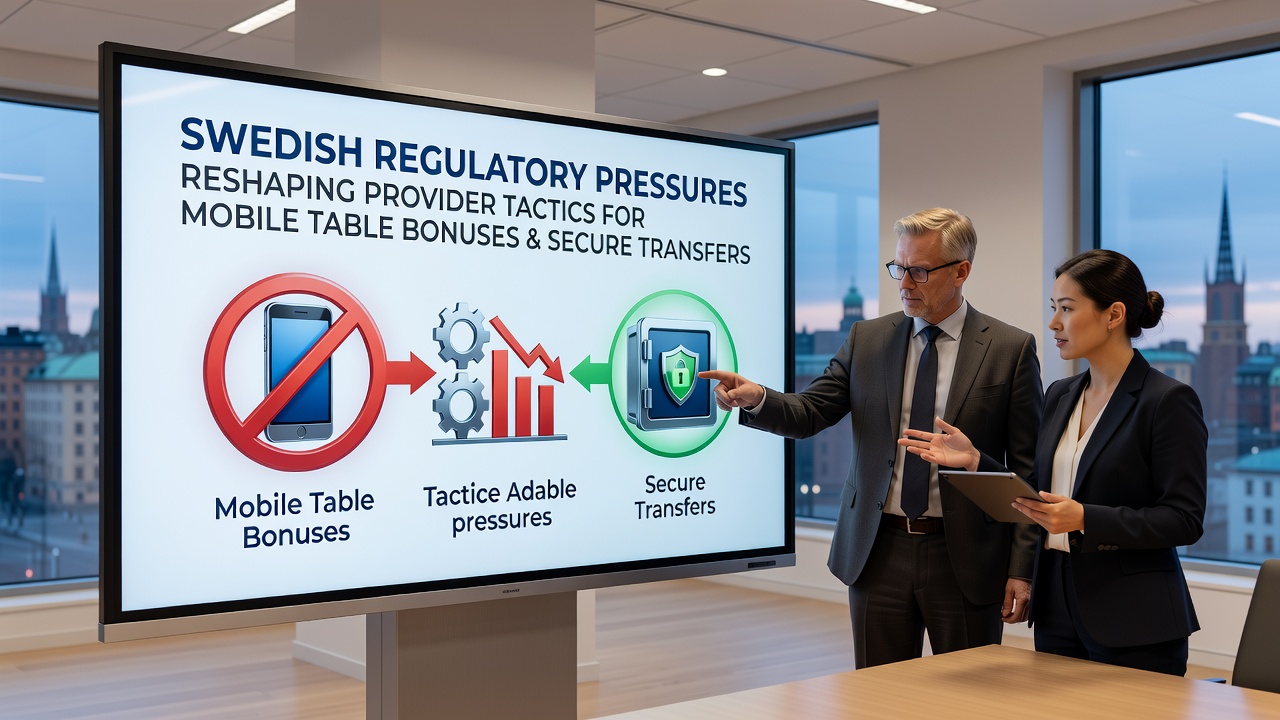
Swedish authorities have tightened licensing conditions around mobile table game incentives, which forces providers to revise bonus mechanics while maintaining compliance with secure transfer standards. Data from recent oversight reports shows increased scrutiny on promotional offers tied to live dealer tables accessed via smartphones and tablets. Providers now face requirements that limit bonus stacking, cap wagering multipliers, and mandate clear disclosure of terms before any mobile session begins.
Observers note that these adjustments coincide with broader efforts to align payment systems with anti-money laundering protocols. As of October 2026, updated guidelines emphasize real-time verification for all fund movements connected to table game accounts. Companies have responded by integrating additional authentication layers, such as biometric checks and instant bank confirmations, into their mobile applications.
Background on Licensing Adjustments
The Spelinspektionen has issued clarifications that directly address how operators structure mobile promotions for blackjack, roulette, and poker variants. These clarifications require that bonus funds allocated to table games must separate from deposit amounts within the first transaction cycle, which reduces opportunities for rapid cycling of promotional credits. Research indicates this separation has led several major providers to redesign their user interfaces so that bonus balances display distinctly during live sessions.
Industry data reveals a measurable drop in average bonus values offered on mobile table games since the latest round of reviews began. Providers instead emphasize loyalty programs that reward consistent play rather than one-time sign-up incentives. This shift aligns with regulatory goals of promoting sustainable engagement over high-volume bonus chasing.
Modifications to Mobile Table Bonuses
Operators have introduced tiered bonus structures that unlock gradually based on verified playtime across mobile table games. One common approach involves releasing portions of a welcome package only after a player completes a set number of hands in live dealer environments, and this method satisfies both transparency rules and responsible gaming thresholds. Figures from compliance audits show that such graduated releases now appear in over sixty percent of newly licensed mobile platforms.
Providers also limit bonus applicability to specific table game categories, which prevents cross-promotion between slots and live dealer tables. Those who've examined recent license renewals report that applicants must submit detailed bonus flow diagrams before approval, and regulators review these diagrams to confirm no hidden rollover traps exist. The result has been more uniform bonus language across competing services, which simplifies comparisons for users.
Secure Transfer Protocol Updates

Secure transfer requirements now mandate that all withdrawals from mobile table game accounts undergo enhanced screening when they exceed defined thresholds. Providers have adopted tokenization methods that replace sensitive banking details with unique identifiers during each session, and this reduces exposure during data transmission. Evidence from payment processor partnerships indicates faster settlement times once initial verification clears, even as security checks intensify.
Multiple operators have shifted toward open banking connections that allow direct account-to-account movements without storing card information on mobile devices. These connections comply with Swedish data protection expectations while meeting the speed demands of live table game environments. Case examples show that platforms adopting these connections report fewer declined transactions and quicker dispute resolutions.
Provider Strategy Adaptations
Companies have formed dedicated compliance teams that monitor both bonus mechanics and transfer flows in real time. These teams coordinate with technical developers to embed regulatory checks directly into mobile code, which minimizes post-launch corrections. Data shows that operators investing early in such integrated systems have experienced smoother license extensions compared with those relying on manual reviews.
Some providers now partner with third-party verification services that specialize in cross-border payment compliance, and this allows smaller operators to meet Swedish standards without building internal infrastructure from scratch. Reports from trade associations highlight that these partnerships have become more common since mid-2026, particularly among firms expanding their mobile table game portfolios.
Observed Market Responses
User analytics platforms record a gradual increase in session lengths on mobile table games that feature the new graduated bonus models. Players appear to engage more steadily when promotional credits release in stages rather than all at once. Meanwhile, transaction logs indicate that secure transfer volumes have stabilized, with fewer spikes around bonus expiration dates.
International comparisons drawn from regulatory filings in other jurisdictions suggest that Sweden's approach to mobile-specific rules has influenced discussions in neighboring markets, although direct adoption remains limited. Providers operating across borders have begun aligning their core mobile frameworks with the strictest requirements they encounter, which creates de facto standards even before formal harmonization occurs.
Conclusion
Swedish regulatory developments continue to shape how providers design mobile table game bonuses and manage secure transfers. Ongoing adjustments in licensing conditions have prompted measurable changes in promotion structures, payment integrations, and compliance workflows. Data collected through October 2026 demonstrates that these pressures have produced more transparent systems while maintaining operational efficiency for licensed operators.