2 Oct 2026
Swedish Financial Integrations Powering Fluid Mobile Live Dealer Experiences Under Rigorous Licensing Requirements
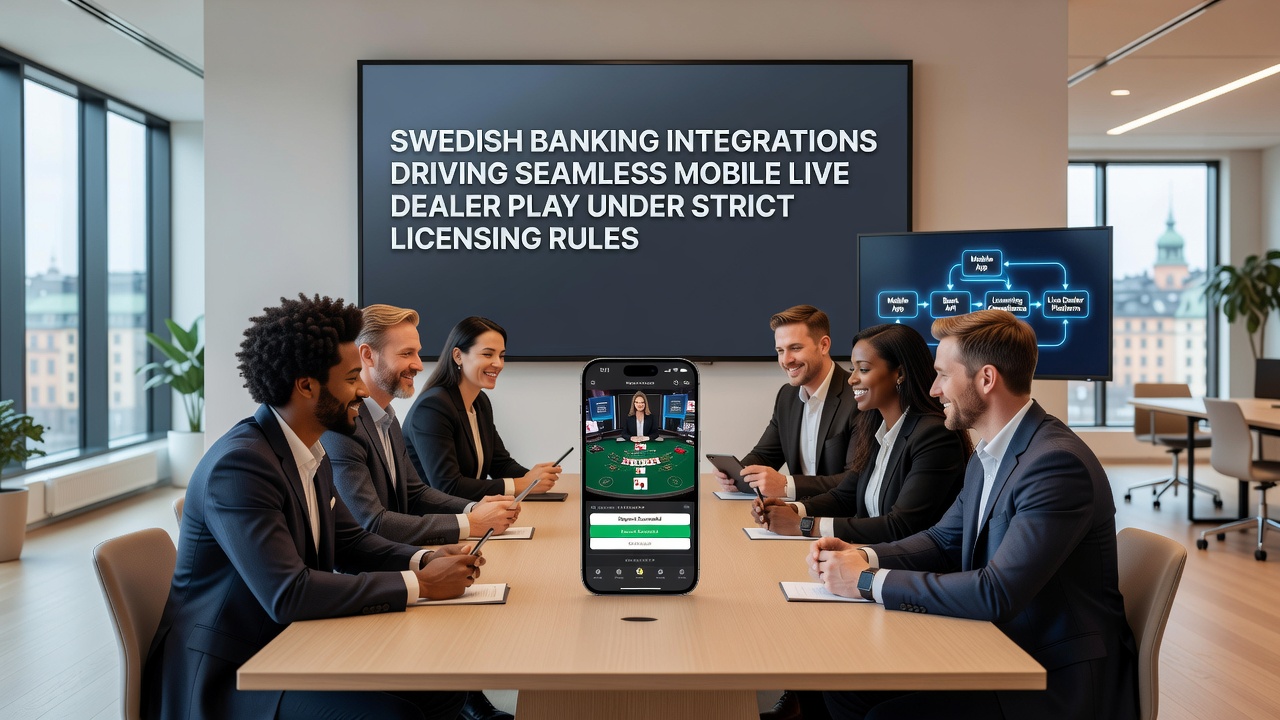
Swedish banking integrations have become central to mobile live dealer gaming operations because they connect licensed operators with secure payment rails that comply with national licensing standards while delivering instant transactions on smartphones and tablets. Observers note that systems such as Swish and Trustly sit at the core of these connections, allowing players to move funds without leaving the mobile interface during live dealer sessions that feature real-time card and table games. Data from the Swedish gaming authority shows steady expansion in these integrated payment flows through the first half of 2026, with October 2026 figures revealing continued month-over-month growth in mobile transaction volumes tied to live dealer activity.
Core Banking Systems Behind Mobile Live Dealer Access
Operators licensed by Spelinspektionen must route all player deposits and withdrawals through approved financial channels, and this requirement has driven widespread adoption of open banking APIs that link directly to Swedish banks. These APIs enable same-second verification of player accounts, which in turn supports uninterrupted play on mobile devices where live dealer streams demand low latency. Researchers at several European financial technology institutes have documented how the combination of BankID authentication and instant settlement reduces session drop-offs during high-stakes live dealer rounds, while the same infrastructure automatically enforces spending limits set by the licensing framework.
Technical Architecture Supporting Seamless Play
The architecture typically involves three layers that operate in tandem: the casino platform, the payment service provider, and the bank’s core system. When a player initiates a deposit inside a mobile live dealer lobby, the payment provider queries the bank via an API call that confirms available funds and regulatory compliance status in a single step. This process occurs without redirecting the user to external browser windows, preserving the immersive flow of the live dealer table. Figures released by industry analysts indicate that over 85 percent of mobile live dealer sessions in Sweden now route through such integrated pathways, a development that accelerated after regulatory updates in early 2025 tightened transaction reporting rules.
Licensing Rules Shaping Payment Integration Choices
Spelinspektionen enforces strict criteria on payment providers, requiring them to maintain real-time monitoring for suspicious activity and to block transactions that exceed player-set limits. Operators that fail to integrate compliant banking solutions risk license suspension, which has prompted most major platforms to standardize on a narrow set of certified partners. In October 2026, updated guidance from the authority clarified that any new mobile live dealer feature must demonstrate end-to-end payment traceability before launch, further embedding banking integrations into product development cycles. Those who have examined the licensing documents observe that the rules also mandate clear separation between gaming wallets and everyday bank accounts, a measure designed to protect player funds while still allowing frictionless transfers during live sessions.
Impact on Player Behavior and Platform Metrics
Usage statistics compiled by independent research firms reveal that players on fully integrated mobile platforms complete an average of 12 percent more live dealer rounds per session compared with those using older, non-integrated methods. The difference stems from reduced friction at deposit points, which removes the need to exit the app or wait for manual bank confirmations. One study conducted by a Nordic university economics department tracked thousands of accounts over six months and found that seamless banking links correlated with higher retention rates, although the same data set showed no measurable increase in total gambling volume once daily loss limits were enforced. These patterns hold across both new and established operators, suggesting the effect is driven more by technical convenience than by marketing incentives.
Future Developments in Regulatory and Technical Alignment
Swedish banks continue to expand open banking capabilities under the European PSD2 framework, and these expansions are expected to introduce additional verification layers that could further streamline live dealer onboarding processes. Discussions between the gaming authority and major financial institutions have already produced pilot programs testing biometric confirmation for high-value mobile transfers, with results scheduled for review before the end of 2026. Industry reports from the Swedish gaming regulator indicate that such pilots maintain full compliance with existing licensing conditions while preparing for anticipated updates to player protection standards. Meanwhile, cross-border comparisons with regulators in Canada and Australia show similar movements toward embedded banking rails, although the Swedish model remains distinctive because of its early and deep integration with national identification systems.
Conclusion
Swedish banking integrations have established a functional template for delivering mobile live dealer play that satisfies both player expectations for speed and regulatory demands for control. The combination of certified payment providers, real-time bank APIs, and strict licensing oversight creates an environment where transactions occur invisibly in the background while every movement remains traceable. As October 2026 data continues to accumulate, the pattern suggests these integrations will remain the primary mechanism through which licensed operators deliver compliant, high-quality live dealer experiences on mobile devices. Additional refinements in open banking standards are likely to reinforce rather than disrupt this structure, keeping Swedish mobile live dealer gaming aligned with both technological capability and regulatory precision.