16 Oct 2026
Sweden's Licensing Framework Driving Changes in Provider Strategies for Mobile Dealer Promotions and Payments
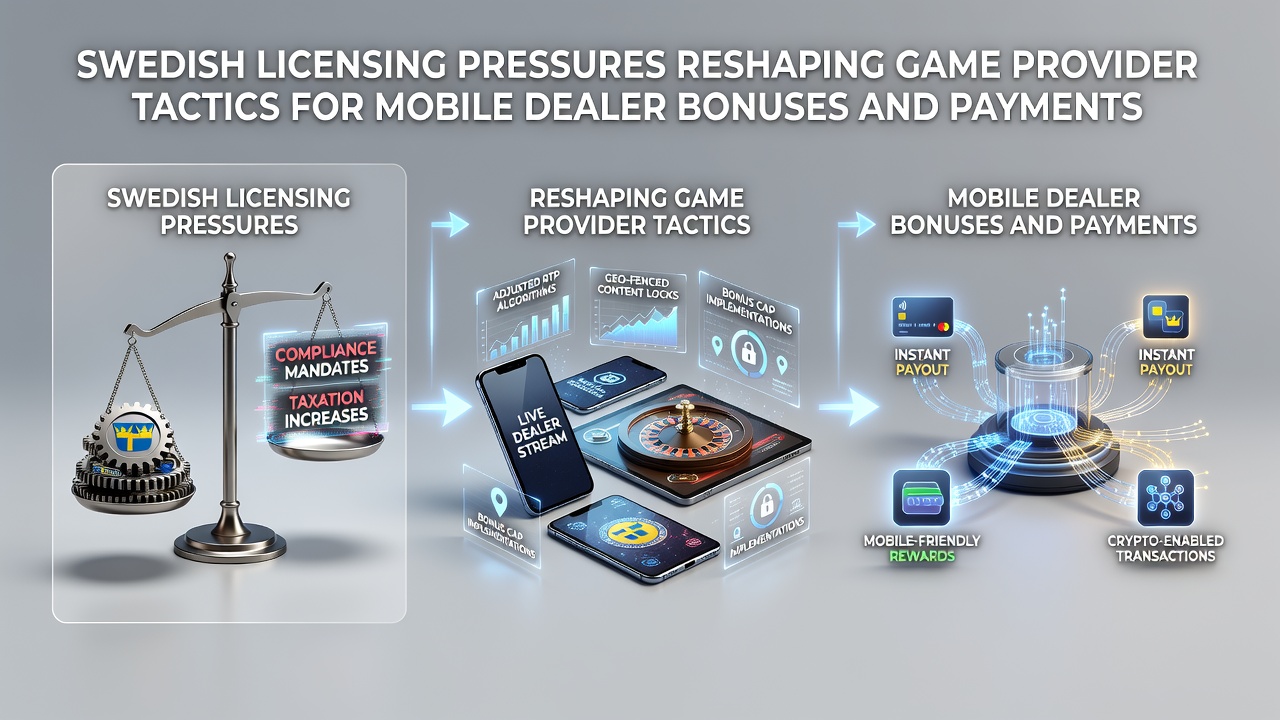
Swedish authorities have tightened licensing criteria over recent years, and game providers now adjust their approaches to mobile live dealer bonuses along with payment processing to maintain compliance while reaching players. These shifts affect how operators structure incentives and handle transactions under the oversight of Spelinspektionen, the national regulator responsible for enforcing market standards since the 2019 re-regulation.
Core Licensing Requirements Influencing Tactics
Operators must secure licenses that mandate clear rules around bonus offerings, including limits on wagering requirements and restrictions that prevent aggressive promotions from encouraging excessive play. Data from industry reports show providers responding by redesigning bonus mechanics for mobile dealer tables, often incorporating time-bound offers or game-specific multipliers that align with responsible gambling protocols. Payment systems face parallel scrutiny, with requirements for secure, transparent methods that verify player identities and prevent money laundering, which pushes providers toward integrated solutions that support instant deposits and withdrawals on mobile devices.
Adaptations in Bonus Structures for Mobile Platforms
Providers have introduced segmented bonus systems that differentiate between desktop and mobile users, tailoring rewards to live dealer environments where real-time interaction drives engagement. According to figures from the European Gaming and Betting Association, these modifications include lower maximum bonus values paired with higher game contribution rates for table games, ensuring alignment with Swedish licensing conditions while sustaining player interest. Observers note that such tactics emerged prominently after regulatory updates in 2025, allowing companies to navigate stricter audits without losing market share in the competitive mobile segment.
One notable development involves the use of personalized bonus algorithms that factor in player behavior data collected through licensed platforms, a method that helps providers avoid penalties associated with indiscriminate promotions. Studies from research institutions in Australia indicate similar patterns in regulated markets, where data-driven adjustments reduce compliance risks and maintain operational flexibility for game suppliers.
Payment Integration Adjustments Under Regulatory Scrutiny
Payment tactics have evolved to incorporate multi-layered verification processes that comply with anti-money laundering directives embedded in Swedish law. Game providers now prioritize partnerships with financial institutions offering mobile-optimized gateways that process transactions in real time, reducing friction for live dealer sessions while meeting audit standards. As of October 2026, updated compliance reports highlight increased adoption of blockchain-based verification tools in these systems, which enhance traceability without compromising speed on mobile applications.
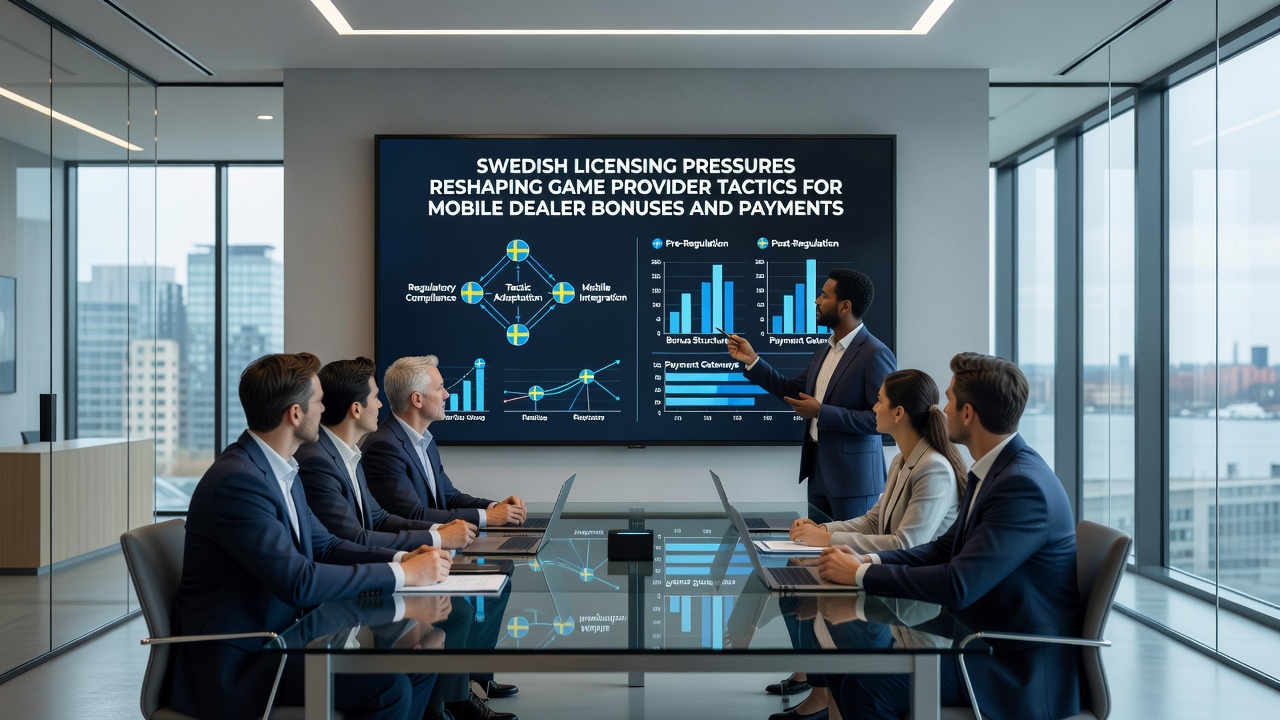
These integrations often feature conditional bonus triggers tied directly to verified deposits, a practice that streamlines operations and satisfies licensing demands for transparency. Researchers at Canadian academic centers have documented how such linkages between payments and incentives help providers in multiple jurisdictions balance commercial goals with regulatory expectations, creating templates that Swedish operators adapt to local rules.
Broader Market Responses and Provider Innovations
Industry associations across Europe report that providers are investing in modular software updates, enabling quick revisions to bonus parameters and payment flows when licensing conditions change. This flexibility proves essential in a market where Spelinspektionen conducts regular reviews, compelling companies to demonstrate ongoing adherence through detailed reporting on mobile dealer activities. Providers have also expanded collaborations with local banks to facilitate seamless Swedish krona transactions, minimizing currency conversion issues that could otherwise complicate bonus calculations and player payouts.
What's interesting is the emphasis on educational resources embedded within mobile interfaces, which inform users about bonus terms and payment security measures as part of compliance efforts. Data from regulatory filings reveal that these features correlate with higher retention rates in licensed environments, as players gain clearer understanding of how incentives function within approved frameworks. External analyses from U.S. state gaming reports further illustrate parallel adaptations in other controlled markets, where similar pressures lead to refined tactics without disrupting core service delivery.
Conclusion
Swedish licensing pressures continue to steer game providers toward refined strategies that integrate bonus offerings and payment systems more closely with mobile live dealer operations. These adjustments reflect ongoing regulatory evolution, supported by data from multiple international sources that track compliance trends and technological responses in the sector. Providers maintain focus on meeting Spelinspektionen standards while delivering functional experiences that align with market demands through October 2026 and beyond.